Licensed clinical social worker recordNew Mexico
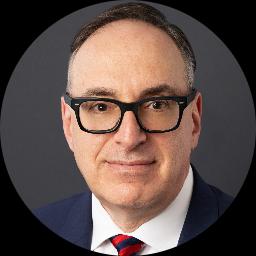
Shelly "Sheldon" Lewin, LICSW, LCSW
New Mexico
Licensed clinical social worker - relationships and trauma
Continue with ShellyCredentials check
- Credentials
- LICSW, LCSW
- Licensed in Illinois
- LCSW, licence 149007897
- Licensed in Kentucky
- LCSW, licence 259306
- Licensed in Florida
- LCSW, licence SW23279
- Licensed in New Mexico
- LCSW, licence SWB-2024-1008
- Licensed in West Virginia
- LICSW, licence DP00946931
- Licensed in Arizona
- LCSW, licence LCSW-23280
- NPI
- 1093551988
- Experience
- 30 years
- Languages
- English
- Location
- New Mexico
These details come from information Shelly supplied to BetterHelp. A licence can be checked with the social work board of the state that issued it, and an NPI with the national registry.
AAbout
- CBT and psychodynamic
- Emotion-focused work
- Solution-focused strategies
About Shelly
Shelly "Sheldon" Lewin is a licensed clinical social worker with 30 years of experience. He is credentialed as a LICSW in West Virginia and an LCSW in New Mexico and bases his practice in New Mexico. He helps people who are facing relationship strain, trauma and abuse, career stress, depression, addiction, grief, eating concerns, anger, and self-esteem difficulties.
Shelly draws on long experience in healthcare leadership and management. He spent decades in executive roles at major hospital systems, which shaped his practical approach to problem solving. In sessions he listens for patterns, life pressures, and what gets in the way of daily functioning. He uses clear, goal-focused work rather than abstract theory-talk.
Clients can expect a straightforward first meeting that lays out what therapy will look like and sets reasonable goals. He asks about history, strengths, and current challenges to build a plan together. Methods mentioned include cognitive behavioral techniques, psychodynamic ideas, solution-focused strategies, emotionally-focused work, and motivational interviewing when appropriate.
He pays attention to how thoughts, emotions, and past experiences affect choices now. That can mean identifying unhelpful thinking, practicing different ways of responding, or looking at relationship patterns. Progress is measured by practical changes clients want to make, such as reducing conflict, improving mood, or managing cravings.
Shelly lives in New Mexico, enjoys hiking and art, and brings a pragmatic orientation shaped by years working inside health systems. To start, visitors complete a short matching questionnaire and schedule an initial session to clarify goals and next steps.
BHow sessions work
How therapeutic approaches are used in online sessions
CBT, or cognitive behavioral therapy, focuses on identifying and changing unhelpful thoughts and behaviors. It is useful for depression, anxiety, anger, and many everyday problems by teaching practical skills and new ways of reacting.Emotionally-Focused Therapy helps people notice and name emotional experiences and how those emotions shape relationships. It can be helpful for people who want to improve connection and manage recurring relationship conflicts.
Motivational Interviewing is a short-term, conversational approach that helps clarify a person's own reasons for change. It is commonly used when someone is working on addiction recovery, lifestyle changes, or making decisions about career or health.
Finding the right approach is part of the work. The therapist will collaborate with each person to choose methods that match their goals, history, and preferences. That collaborative decision happens early and can be adjusted as progress is reviewed.
Session formats are not specified in the biography, so confirm current options before booking. Online work can make it easier to fit sessions into busy days, allow shorter check-ins when needed, and remove travel time so appointments fit around work, caregiving, or medical schedules. These practical benefits help therapy become part of everyday life without requiring major disruption.
CAreas of focus
Areas of expertise
Primary focus
Also works with
Additional focus areas
Therapeutic approaches
Experience
30+ years
Listed in
Illinois, Kentucky, Florida, New Mexico, West Virginia, Arizona
Languages
English
DQuestions
Frequently asked questions
What concerns does he address?
He works with relationship issues, trauma and abuse, career problems, depression, addictions, grief, eating issues, anger, self-esteem, bipolar concerns, and compassion fatigue among other areas.
How would you describe his therapeutic style?
He uses a practical, goal-oriented approach that combines evidence-based methods with discussion of life history and patterns. Sessions focus on clear steps and doable strategies.
How much clinical experience does he have?
He has 30 years of experience, including executive roles in large health systems and a long career working with adults on mental health and life stressors.
What are his credentials and where is he licensed?
He holds LICSW and LCSW credentials and is licensed as WV LICSW and NM LCSW, practicing from New Mexico.
Which languages are offered for sessions?
Sessions are offered in English.
Can people from other countries work with him?
He does not accept international clients at this time.
How are fees handled?
Cost varies with location; sessions use a subscription that can be canceled at any time. Exact pricing is provided during the sign-up process.
What do I do to begin?
Click the See online therapy options button, complete the short matching questionnaire, and schedule a first session to get started.
Online talk therapy is not emergency care. If you are in danger, call 911, or call or text 988. More crisis numbers