Licensed clinical social worker recordConnecticut
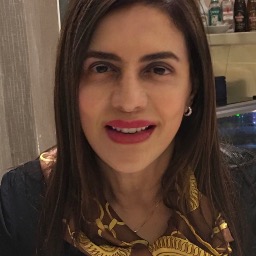
Miriam Charles-Flores, LCSW
Connecticut
Licensed Clinical Social Worker - Relationships and Mood
Continue with MiriamCredentials check
- Credentials
- LCSW
- Licensed in Connecticut
- LCSW, licence 004928
- NPI
- 1124793443
- Experience
- 40 years
- Languages
- English, Spanish
- Location
- Connecticut
These details come from information Miriam supplied to BetterHelp. A licence can be checked with the social work board of the state that issued it, and an NPI with the national registry.
AAbout
- Attachment-based work
- CBT strategies
- Mindfulness practice
About Miriam
Miriam Charles-Flores is a Licensed Clinical Social Worker (LCSW) in Connecticut with 40 years of clinical experience. She works with people coping with stress, anxiety, depression, relationship and intimacy concerns, grief, trauma, addictions, and life changes. Sessions are offered in English and Spanish and she accepts international clients.
Her background includes work in outpatient and inpatient hospitals, schools, and private practice. She holds an MSW from Smith College and has training that included psychodynamic theory alongside other clinical orientations. Over four decades she has worked with mood disorders, complex trauma, and family conflict, which inform how she assesses presenting problems.
In session she blends several approaches. She uses attachment-based ideas to look at relationship patterns. She brings client-centered listening to help people name goals. She also uses cognitive behavioral tools and mindfulness practices for coping and symptom management.
The first sessions focus on a clear assessment. That assessment is used to set practical treatment goals and a plan. Miriam aims to help people reduce repetitive patterns of anxiety and depression through psychoeducation, problem solving, and skill-building.
Her style emphasizes direct listening and collaborative planning. She helps people talk through patterns from family of origin, commitment and communication problems, parenting strains, and issues like abandonment, eating and sleeping difficulties, and compassion fatigue. Practical steps and skills are central to her work.
BHow sessions work
Approaches used in online sessions
She draws on attachment-based therapy to look at how early relationships shape current patterns. That approach helps people understand recurring problems in close relationships and areas of emotional connection that feel stuck. She also uses client-centered therapy to keep sessions focused on the person’s goals, listening closely and helping clients name what matters most.She pairs those with cognitive behavioral techniques to teach concrete skills for managing mood, anxiety, and unhelpful thoughts. CBT tools are practical for breaking cycles of worry, improving sleep, and addressing addictive behaviors. The therapist and client work together to choose which approaches fit best for the goals at hand.
Finding the right mix of methods is collaborative. The therapist will use the initial assessment to suggest approaches and then adjust based on how the client responds. That means methods can change over time as goals and needs evolve.
Session formats were not specified in the biography, so confirm the available online options before booking. Online sessions can make it easier to fit therapy into a busy week, allow shorter check-ins when needed, and reduce travel time. Those practical benefits often help people maintain regular attendance and focus on everyday changes.
CAreas of focus
Areas of expertise
Primary focus
Also works with
Additional focus areas
Therapeutic approaches
Experience
40+ years
Listed in
Connecticut
Languages
English, Spanish
DQuestions
Frequently asked questions
What concerns does she help with?
She works with stress, anxiety, depression, relationship and intimacy issues, grief, trauma, addictions, and related life changes.
What is her therapeutic style?
She blends attachment-based, client-centered, cognitive behavioral, emotionally-focused, and mindfulness approaches and focuses on practical skills and problem solving.
How long has she practiced?
She has 40 years of clinical experience in hospitals, schools, and private practice.
Where is she licensed?
She is a Licensed Clinical Social Worker (LCSW) licensed in Connecticut.
Which languages are supported?
Sessions are offered in English and Spanish, and she accepts international clients.
What session formats are available?
Session formats are not specified in the biography; please confirm the current session options before booking.
How does cost work?
Cost varies with location and sessions use a subscription that can be canceled at any time.
How do I get started?
Select the See online therapy options button, complete a short matching questionnaire, and schedule a first session.
Online talk therapy is not emergency care. If you are in danger, call 911, or call or text 988. More crisis numbers