Licensed clinical social worker recordOhio
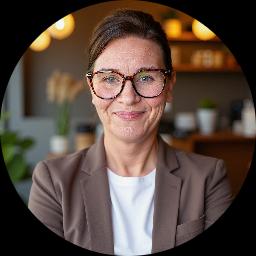
Maggie French, LCSW, LICSW
Ohio
Licensed Clinical Social Worker - Stress and Addictions
Continue with MaggieCredentials check
- Credentials
- LCSW, LICSW
- Licensed in Ohio
- LISW, licence I.2506525
- Licensed in Indiana
- LCSW, licence 34012349A
- Licensed in South Carolina
- LISW-CP, licence 18341
- Licensed in Vermont
- LICSW, licence 089.0136735
- NPI
- 1124544002
- Experience
- 4 years
- Languages
- English
- Location
- Ohio
These details come from information Maggie supplied to BetterHelp. A licence can be checked with the social work board of the state that issued it, and an NPI with the national registry.
AAbout
- Stress management
- Addictions support
- CBT and ACT methods
About Maggie
Maggie French is a Licensed Clinical Social Worker (LCSW) and a Licensed Independent Clinical Social Worker (LICSW) in Ohio with four years of professional experience. She works with people managing stress and anxiety, those coping with addictions, and individuals facing family conflict, trauma, abuse, or major life changes. Sessions are conversational and practical, focused on immediate concerns and daily functioning.
Her approach centers on clear goals and usable skills. She draws from cognitive behavioral techniques to identify unhelpful thinking patterns. She also uses acceptance and commitment ideas to help people notice what matters most to them and act on those values.
Attachment-based work informs how she looks at relationship patterns and how early connections shape current stress. Client-centered methods guide the pace of sessions so people can set the topics and move at a tolerable rate. Dialectical behavior ideas are used when emotion regulation and distress tolerance skills are needed.
In a session she listens, reflects, and offers concrete tools to try between meetings. Practical tasks might include small behavior changes, communication experiments, and short skill practices. Progress is reviewed regularly so plans can shift as needed.
She provides services in English and practices in Ohio. Fees vary by location and use a subscription that can be canceled at any time. To begin, clients complete a short matching questionnaire and schedule a first session.
BHow sessions work
How her approaches translate to online work
Acceptance and Commitment Therapy (ACT) helps people clarify personal values and take small steps toward them. Online sessions can use ACT exercises to notice thoughts and commit to specific behavior changes between meetings. Cognitive Behavioral Therapy (CBT) focuses on identifying thinking patterns and testing new behaviors. In virtual sessions, CBT often includes brief homework assignments and step-by-step skill practice to address anxiety or stress.Finding the right approach is collaborative. The therapist will talk with the client about goals, try methods that fit those goals, and adjust based on what helps. Clients and the therapist decide together which strategies to emphasize as work progresses.
Confirm current session options before booking, since formats are not specified here. Online work can make sessions easier to fit into a day, allow shorter check-ins when schedules are tight, and remove the need to travel. Some people prefer not to be on camera, which can make sessions feel less intense. Practical benefits include easier scheduling around work or caregiving and direct practice of skills in everyday settings.
CAreas of focus
Areas of expertise
Primary focus
Additional focus areas
Therapeutic approaches
Experience
4+ years
Listed in
Ohio, Indiana, South Carolina, Vermont
Languages
English
DQuestions
Frequently asked questions
What concerns does she help with?
She works with stress, anxiety, addictions, family conflict, trauma and coping with life changes. Additional focuses include abandonment, caregiver stress, communication problems, and divorce or separation.
What is her therapeutic style?
She uses a practical, skills-focused style that combines conversation with exercises to try between sessions. The work emphasizes clear goals and small behavior changes.
How much clinical experience does she have?
She has four years of professional experience working with the listed concerns.
What are her credentials and where is she licensed?
She holds the credential Licensed Clinical Social Worker (LCSW) and is also a Licensed Independent Clinical Social Worker (LICSW). She is licensed in Ohio.
Which languages are sessions offered in?
Sessions are offered in English.
Does she accept clients outside the United States?
International clients are not currently accepted.
How are sessions priced?
Costs vary with location and sessions use a subscription model that can be canceled at any time.
How do I begin working with her?
Start by selecting the See online therapy options button, completing a short matching questionnaire, and scheduling a first session.
Online talk therapy is not emergency care. If you are in danger, call 911, or call or text 988. More crisis numbers