Licensed clinical social worker recordCalifornia
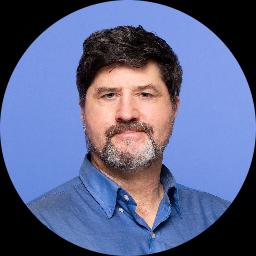
Adam Whyte, LCSW
California
Licensed Clinical Social Worker - Stress and Addictions
Continue with AdamCredentials check
- Credentials
- LCSW
- Licensed in California
- LCSW, licence 27024
- NPI
- 1821167289
- Experience
- 30 years
- Languages
- English
- Location
- California
These details come from information Adam supplied to BetterHelp. A licence can be checked with the social work board of the state that issued it, and an NPI with the national registry.
AAbout
- CBT techniques
- DBT skills
- Attachment focus
About Adam
Adam Whyte is a Licensed Clinical Social Worker (LCSW) licensed in California with 30 years of clinical experience. He focuses on stress, anxiety, addictions, trauma and abuse, depression, compassion fatigue, relationship and intimacy concerns, sleep problems, parenting stress, anger, self-esteem, bipolar disorder, ADHD, and coping with life changes.
He has worked in clinical settings since earning a Master of Social Work in 2001 and currently serves as a senior clinical social worker at the Veterans Affairs. That role has involved working directly with veterans and has shaped his practical, problem-focused approach to everyday difficulties.
In sessions he uses client-centered and attachment-informed techniques to build trust and explore patterns that keep problems active. He also draws from cognitive behavioral methods to identify thoughts and behaviors that feed anxiety and depression. Dialectical behavior skills are used when emotion regulation and distress tolerance are priorities.
Practical tools Adam commonly teaches include mindfulness practices, journaling prompts, identifying and strengthening personal supports, and relapse prevention strategies. He also uses motivational interviewing to support changes people want to make and strengths-based work to map resources and skills.
People who work with him can expect straightforward, skills-oriented sessions that focus on clear steps and coping strategies. Before booking, readers should confirm current session formats and scheduling options.
BHow sessions work
How Adam’s approaches fit with online sessions
Adam uses Attachment-Based and Client-Centered approaches alongside Cognitive Behavioral Therapy (CBT). Attachment-based work looks at how early relationship patterns affect current connection and trust, which can help with relationship strain, intimacy concerns, and attachment issues. Client-centered work focuses on listening and reflecting so people can clarify goals and feel understood. CBT targets the thoughts and behaviors that maintain anxiety, depression, and many habit problems, offering concrete techniques to change them.Finding the right approach is part of the work. Adam will collaborate with each person to decide which combination of methods fits their needs, goals, and preferences. That process can include trying skills-based work, revisiting attachment patterns, or using motivational strategies to support change.
Specific session formats are not listed in the provided biography, so confirm available options before booking. Online sessions can make it easier to fit therapy into a busy day, allow shorter check-ins when needed, and reduce travel time. They can also let people use quieter surroundings, lower bandwidth audio-only calls if video is difficult, or arrange times that work around work and caregiving commitments.
CAreas of focus
Areas of expertise
Also works with
Additional focus areas
Therapeutic approaches
Experience
30+ years
Listed in
California
Languages
English
DQuestions
Frequently asked questions
What concerns does Adam address?
He works with stress, anxiety, addictions, trauma and abuse, depression, compassion fatigue, relationship and intimacy issues, sleep problems, parenting strain, anger, self-esteem, bipolar disorder, ADHD, and other life changes.
How would you describe his therapeutic style?
He blends client-centered care with attachment-informed work and practical skills from CBT and DBT to help people manage symptoms and develop coping strategies.
How much clinical experience does he have?
Adam has 30 years of clinical experience and has held a senior clinical social worker role at the Veterans Affairs since earning his MSW in 2001.
Is he licensed and where does he practice?
He is a Licensed Clinical Social Worker (LCSW) licensed in the state of California and works in California.
Which languages are offered for sessions?
Sessions are offered in English.
Can international clients work with him?
International clients are not currently accepted.
What are the session formats and cost structure?
Session formats are not specified here; please confirm current session options before booking. Costs vary by location and sessions use a subscription that can be canceled at any time.
How do I begin working with him?
Start by selecting the See online therapy options button, complete a short matching questionnaire, and then schedule a first session.
Online talk therapy is not emergency care. If you are in danger, call 911, or call or text 988. More crisis numbers