Licensed clinical social worker recordIllinois
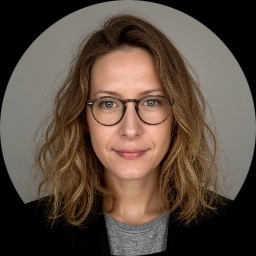
Sarah Spurling, LCSW
Illinois
Licensed Clinical Social Worker - Anxiety and Trauma
Continue with SarahCredentials check
- Credentials
- LCSW
- Licensed in Illinois
- LCSW, licence 149030436
- NPI
- 1831803188
- Experience
- 3 years
- Languages
- English
- Location
- Illinois
These details come from information Sarah supplied to BetterHelp. A licence can be checked with the social work board of the state that issued it, and an NPI with the national registry.
AAbout
- Anxiety and stress
- Trauma and abuse
- LGBT and gender issues
About Sarah
Sarah Spurling is a Licensed Clinical Social Worker (LCSW) licensed in Illinois with three years of clinical experience. She works with adults who feel overwhelmed, stuck, or worn down by anxiety, stress, grief, trauma, and low self-esteem. Many people who come to her are also exploring questions around gender, identity, or neurodivergence.
Her approach is grounded and relationship-based. She aims to build trust first, then help clients name what is happening and find practical ways to manage it day to day. Sessions focus on learning coping skills that fit everyday life rather than demanding big changes all at once.
Sarah uses several evidence-informed methods, including Acceptance and Commitment Therapy, Cognitive Behavioral Therapy, Dialectical Behavior Therapy, and client-centered work. That means sessions might include noticing thoughts and values, practicing specific skills for distress, or working through difficult feelings at a comfortable pace.
She supports adults exploring identity issues such as gender dysphoria and LGBT-related concerns, and she works with people dealing with attachment and abandonment concerns, family of origin problems, and caregiver stress. She also has experience supporting those facing chronic illness, chronic pain, dissociation, and body image struggles.
Sarah runs individual therapy and facilitates autism support groups. In practical terms she helps people understand themselves better, reduce intense reactivity, and build routines and tools that help them feel more steady over time. If you want straightforward, person-focused work that keeps daily life in view, she may be a fit.
BHow sessions work
How Sarah uses therapeutic approaches in remote work
Acceptance and Commitment Therapy (ACT) focuses on noticing thoughts and choosing actions that align with personal values. It can help with anxiety, low motivation, and finding steadier ways to act despite difficult feelings. Cognitive Behavioral Therapy (CBT) looks at the connection between thoughts, feelings, and behaviors and uses practical exercises to change unhelpful patterns. It is commonly used for anxiety and mood struggles.Finding the right approach is collaborative. Sarah will talk with clients about goals and preferences, try techniques that fit daily routines, and adjust methods as needed. The process prioritizes what works for the individual rather than sticking to one fixed method.
The therapist's biography does not list specific session formats, so confirm current online options before booking. Many people find remote sessions useful because they can fit therapy into work breaks, reduce travel time, or choose shorter check-ins when life is busy. Remote work also makes it easier to try different rhythm and scheduling options while keeping therapy practical and connected to everyday responsibilities.
CAreas of focus
Areas of expertise
Primary focus
Additional focus areas
Therapeutic approaches
Experience
3+ years
Listed in
Illinois
Languages
English
DQuestions
Frequently asked questions
What kinds of concerns does she work with?
She works with adults around stress, anxiety, trauma and abuse, grief, self-esteem, and related issues such as attachment, body image, and caregiver stress.
What is her therapeutic style?
Her style is relational and client-centered, using approaches like Acceptance and Commitment Therapy, Cognitive Behavioral Therapy, and Dialectical Behavior Therapy to build practical coping skills.
How much clinical experience does she have?
She has three years of experience working as a clinician with adults facing anxiety, depression, trauma, and life transitions.
Is she licensed and where does she practice?
She is a Licensed Clinical Social Worker (LCSW) licensed in Illinois.
Can sessions be conducted in other languages or for international clients?
Sessions are offered in English. International clients are not currently accepted.
What session formats are available?
The original biography does not specify session formats. Please confirm current session options before booking.
How are fees handled?
Cost varies with location and sessions use a subscription model that can be canceled at any time.
How do I begin working with her?
Select the See online therapy options button, complete a short matching questionnaire, and schedule a first session.
Online talk therapy is not emergency care. If you are in danger, call 911, or call or text 988. More crisis numbers