Licensed clinical social worker recordIdaho
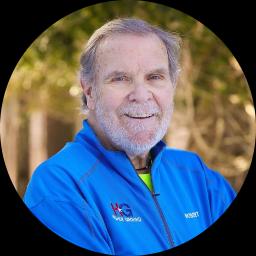
Robert Payne, LCSW
Idaho
Licensed Clinical Social Worker - Relationships and Stress
Continue with RobertCredentials check
- Credentials
- LCSW
- Licensed in Idaho
- LCSW, licence LCSW-603
- NPI
- 1922200328
- Experience
- 37 years
- Languages
- English
- Location
- Idaho
These details come from information Robert supplied to BetterHelp. A licence can be checked with the social work board of the state that issued it, and an NPI with the national registry.
AAbout
- Attachment-based work
- Client-centered approach
- CBT and DBT techniques
About Robert
Robert Payne is a Licensed Clinical Social Worker (LCSW) licensed in Idaho with 37 years of professional experience. He works with people facing stress, anxiety, relationship challenges, trauma and abuse, grief, and depression. He also supports concerns around family dynamics, intimacy, eating issues, parenting stress, anger, self-esteem, career questions, and compassion fatigue.
He begins sessions from the view that the person in therapy understands their own life best. He listens for strengths and past coping that can be used to solve current problems. Sessions are practical and focused on real-life changes rather than jargon or long theories.
Robert draws on attachment-based ideas to look at how early relationships affect current patterns. He uses client-centered methods to keep the session grounded in what the client wants to address. He also applies cognitive behavioral strategies to spot thoughts that get in the way and to try different actions that lead to small improvements.
Over his career he has supported people dealing with abandonment, adoption and foster care concerns, blended family issues, caregiver stress, codependency, and divorce or separation. He is familiar with aging and geriatric issues, family of origin work, and emotional difficulties such as emptiness or dependent personality traits.
His approach is straightforward: identify what matters most, try practical steps, and adjust as needed. People who value clear direction and hands-on problem solving will find this style easy to understand.
BHow sessions work
How his approaches translate to online work
Robert uses attachment-based ideas to notice how relationship patterns show up now; online sessions can help people track these patterns in day-to-day life and try different ways of connecting. Client-centered work means conversations focus on what the client brings to the room and on practical next steps for their goals. Cognitive Behavioral Therapy (CBT) looks at thoughts and behaviors together, with short exercises and homework that fit into a weekly routine.Finding the right approach is part of the work together. He will talk with each person about what feels useful and adjust methods based on goals and preferences. That collaboration helps keep sessions focused and relevant to the client's life.
The therapist's biography does not list specific session formats, so confirm current options before booking. In general, online sessions can make it easier to fit therapy into a work break, reduce travel time, and allow shorter check-ins when schedules are tight. They also make it simpler to continue work when a client is traveling or living outside the therapist's city. Robert will help plan session length and pacing to match daily routines and needs.
CAreas of focus
Areas of expertise
Primary focus
Also works with
Additional focus areas
Therapeutic approaches
Experience
37+ years
Listed in
Idaho
Languages
English
DQuestions
Frequently asked questions
What concerns does he address?
He helps with stress, anxiety, relationship problems, trauma and abuse, grief, depression, family and intimacy-related issues, eating and parenting concerns, anger, self-esteem, career questions, and compassion fatigue.
How would you describe his therapeutic style?
He uses attachment-based work, client-centered listening, and cognitive behavioral techniques, with practical steps and a focus on strengths.
How much experience does he have?
He has 37 years of professional experience in social work and related clinical settings.
What are his credentials and where is he licensed?
He is a Licensed Clinical Social Worker, LCSW, licensed in Idaho.
Are sessions offered in other languages or internationally?
Sessions are offered in English and he accepts international clients.
What session formats are available?
Please confirm current session options before booking since the biography does not list specific session formats.
How is cost handled?
Cost varies with location and sessions use a subscription that can be canceled at any time.
How do I begin working with him?
Choose the See online therapy options button, complete a short matching questionnaire, and then schedule a first session.
Online talk therapy is not emergency care. If you are in danger, call 911, or call or text 988. More crisis numbers