Licensed clinical social worker recordNorth Carolina
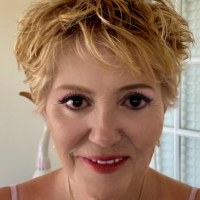
Mary Cowen, LCSW
North Carolina
Licensed Clinical Social Worker - grief and relationships
Continue with MaryCredentials check
- Credentials
- LCSW
- Licensed in North Carolina
- LCSW, licence C008100
- NPI
- 1730833997
- Experience
- 26 years
- Languages
- English
- Location
- North Carolina
These details come from information Mary supplied to BetterHelp. A licence can be checked with the social work board of the state that issued it, and an NPI with the national registry.
AAbout
- Grief and loss
- CBT and DBT tools
- Mindfulness practices
About Mary
Mary Cowen is a Licensed Clinical Social Worker (LCSW) licensed in North Carolina with 26 years of practice. She has worked across multiple states and settings and helps people facing depression, anxiety, grief, relationship strain, eating concerns, addiction, and end-of-life issues.
Her background includes community mental health, school settings, inpatient mental health, hospital care, hospice, home health, and group therapy. That range means she is familiar with crisis moments and long-term recovery work. She has supported people through cancer, caregiving stress, chronic illness, and blended family challenges.
Mary uses straightforward, interactive sessions. She draws from client-centered methods, cognitive behavioral tools, dialectical behavior techniques, mindfulness, and motivational interviewing. Sessions focus on practical strategies people can try between meetings, and on clear steps to manage stress, mood, or relationship problems.
When grief or loss is part of the picture she helps people name what they are feeling and find manageable ways to cope. For eating and body-image concerns she combines behavioral work and mindfulness skills to reduce shame and improve daily routines. For relationship issues she uses communication-focused approaches to address recurring conflict patterns.
People who want a clinician with long experience in hospitals, hospice, schools, and community settings may find her background relevant. Mary speaks English and accepts international clients. To begin, readers are asked to confirm current session options before booking.
BHow sessions work
How her approaches translate to online sessions
Client-Centered Therapy focuses on listening and reflecting what matters to the person. It helps people who want a respectful, conversational setting to talk through problems and set goals. Cognitive Behavioral Therapy, or CBT, looks at thoughts and behaviors and teaches practical skills to change unhelpful patterns; it is useful for anxiety, depression, and many day-to-day problems. Dialectical Behavior Therapy, or DBT, offers skills for emotion regulation and distress tolerance and can help when strong mood swings or intense reactions get in the way of life.Finding the right fit is a collaborative process. The therapist will talk with the client about goals, preferences, and what techniques feel most useful. Together they decide which methods to try and adjust the plan as progress and needs change.
The source biography does not list specific session formats, so confirm current options before booking. Many people find online sessions helpful because they can fit meetings into a workday, avoid travel time, or choose a quieter hour that suits caregiving or health needs. Online work also allows practicing CBT and mindfulness skills between sessions and makes regular check-ins easier to maintain.
CAreas of focus
Areas of expertise
Primary focus
Also works with
Additional focus areas
Therapeutic approaches
Experience
26+ years
Listed in
North Carolina
Languages
English
DQuestions
Frequently asked questions
What concerns does she address?
Mary works with a wide range of issues including grief, depression, anxiety, eating concerns, addiction, relationship and family stress, caregiving strain, chronic illness, and end-of-life matters.
How would you describe her therapy style?
Her style is interactive and practical. She uses client-centered conversation alongside cognitive behavioral, dialectical behavior, mindfulness, and motivational interviewing techniques.
How much clinical experience does she have?
Mary has 26 years of experience working in hospitals, hospice, inpatient settings, schools, home health, and community mental health programs.
Is she licensed and where does she practice?
She is a Licensed Clinical Social Worker with an NC LCSW and practices from North Carolina.
What languages are supported?
Sessions are offered in English and Mary also accepts international clients.
Which session formats are available?
The original biography does not specify session formats. Please confirm current session options before booking.
How does cost work for sessions?
Cost varies with location; sessions use a subscription that can be canceled at any time.
What is the first step to start therapy?
Use the See online therapy options button, complete the short matching questionnaire, and schedule a first session.
Online talk therapy is not emergency care. If you are in danger, call 911, or call or text 988. More crisis numbers