Licensed clinical social worker recordTennessee
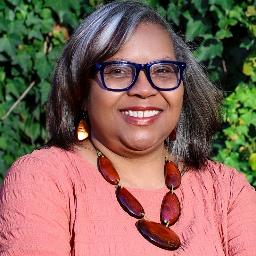
Francine Owens, LCSW
Tennessee
Licensed Clinical Social Worker - mood and trauma care
Continue with FrancineCredentials check
- Credentials
- LCSW
- Licensed in Tennessee
- LCSW, licence 3193
- NPI
- 1093742710
- Experience
- 28 years
- Languages
- English
- Location
- Tennessee
These details come from information Francine supplied to BetterHelp. A licence can be checked with the social work board of the state that issued it, and an NPI with the national registry.
AAbout
- Stress and anxiety
- Depression and bipolar
- Trauma and abuse
About Francine
Francine Owens is a Licensed Clinical Social Worker (LCSW) licensed in Tennessee with 28 years of clinical experience. She focuses on stress, anxiety, trauma and abuse, bipolar disorder, and depression. Francine helps people who are navigating relationship strain, grief, health challenges, adoption and foster care concerns, caregiving stress, and other life disruptions.
Francine describes a straightforward therapy style that blends practical skills with talk therapy. Sessions often focus on understanding patterns, reducing unhelpful behaviors, and building coping tools that fit day-to-day life. She uses methods drawn from cognitive and behavioral approaches as well as emotion-focused work.
Her background includes a Master of Science in Social Work from the University of Tennessee, Memphis. Over nearly three decades she has worked in clinical settings and private practice. That experience informs a steady, problem-focused approach to common and complex concerns.
In sessions she aims to help clients recognize what keeps problems repeating and to practice small changes that make daily life easier. Examples include managing mood swings, reducing anxiety symptoms, improving communication, and coping with chronic illness or caregiving demands.
Francine also names adoption and foster care, aging and geriatric issues, cancer, disruptive mood concerns, divorce and separation, family problems, gender dysphoria, and issues around guilt or control as areas she addresses. She offers care in English and accepts international clients, and she asks prospective clients to confirm current session options before booking.
BHow sessions work
Therapeutic approaches and how online sessions can fit
Acceptance and Commitment Therapy (ACT) helps people notice unhelpful thoughts and commit to actions that match their values. It is useful for anxiety, stress, and managing persistent mood challenges. Cognitive Behavioral Therapy (CBT) focuses on identifying and changing thought and behavior patterns that keep problems going. It is commonly used for anxiety and depression and for building practical coping steps.Choosing the right approach is part of the work. The therapist will discuss goals and preferences and will help decide which methods to try first. This is a collaborative process that can change as needs evolve during care.
The biography does not list specific online session formats, so confirm the current options before booking. Online work can make sessions easier to fit into a busy week, allow shorter check-ins when time is limited, and reduce travel time for people managing health or caregiving duties. Therapists commonly adapt ACT and CBT exercises to remote sessions so clients can practice skills between appointments. If you need details on session length or format, check the booking options or ask when you complete the matching questionnaire.
CAreas of focus
Areas of expertise
Primary focus
Additional focus areas
Therapeutic approaches
Experience
28+ years
Listed in
Tennessee
Languages
English
DQuestions
Frequently asked questions
What concerns does she address?
She supports people with stress, anxiety, trauma and abuse, bipolar disorder, and depression. Additional areas include caregiving stress, chronic illness, adoption and foster care concerns, and family problems.
What is her therapeutic style?
She uses a mix of practical skill-building and talk therapy. The approach focuses on changing patterns, improving coping, and working on communication.
How much clinical experience does she have?
She has 28 years of experience in clinical treatment and private practice. That background includes work in clinical settings and running a private practice.
Is she licensed and where does she practice?
She is a Licensed Clinical Social Worker (LCSW) licensed in Tennessee. Her practice is based in Tennessee.
Which languages are supported?
Sessions are offered in English. She also accepts international clients.
What session formats are offered?
The original biography does not specify session formats. Please confirm current session options before booking.
How are fees handled?
Cost varies with location and sessions use a subscription that can be canceled at any time. Fee details depend on the chosen subscription and locale.
How do I get started?
Select the See online therapy options button, complete a short matching questionnaire, and schedule a first session. That process begins the intake and scheduling steps.
Online talk therapy is not emergency care. If you are in danger, call 911, or call or text 988. More crisis numbers