Licensed clinical social worker recordConnecticut
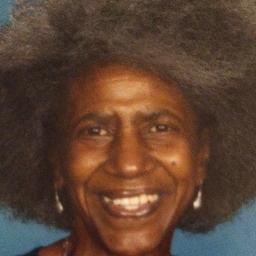
Ethel Dickerson, LCSW
Connecticut
Licensed clinical social worker - trauma and anxiety
Continue with EthelCredentials check
- Credentials
- LCSW
- Licensed in Connecticut
- LCSW, licence 005954
- NPI
- 1649925090
- Experience
- 22 years
- Languages
- English
- Location
- Connecticut
These details come from information Ethel supplied to BetterHelp. A licence can be checked with the social work board of the state that issued it, and an NPI with the national registry.
AAbout
- Trauma-focused work
- Cognitive behavioral methods
- Parenting and family
About Ethel
Ethel Dickerson is a Licensed Clinical Social Worker (LCSW) licensed in Connecticut with 22 years of experience. She works with people facing stress, anxiety, trauma and abuse, grief, parenting challenges, depression, family conflict, anger, low self-esteem, and major life changes. She also addresses related concerns such as caregiver stress, communication problems, blended family issues, and first responder matters.
Her approach is practical and direct. She gives full attention during sessions and is honest about what she hears. Ethel aims to help people notice and change thought patterns that cause trouble. That can mean learning ways to manage anxiety, reframe unhelpful thoughts, or find clearer ways to communicate with family members.
She uses client-centered techniques to follow the person's priorities. She also uses cognitive behavioral methods to spot and shift thinking patterns. Mindfulness and solution-focused tools are used when they fit the goal, and trauma-focused work is offered for people who have endured abuse or other traumatic events.
Her background includes outpatient clinic work and coordinating a trauma first responders' team. She has experience working with homeless populations, school-aged children, adults, and family situations involving grief and loss. Those roles shaped a practical, experience-based style that values respect and straightforward feedback.
Clients can expect sessions that balance real-world problem solving with attention to feelings. Ethel frames progress as step-by-step change in thoughts and routines. She encourages people who have reached out for help to persist and to bring their needs into the room.
BHow sessions work
Approaches used in remote sessions and practical fit
Client-centered work focuses on the person's priorities and experience. The therapist listens, reflects what matters most, and shapes the session around the client's goals. This is useful for people who want someone to follow their lead while offering professional input.Cognitive Behavioral Therapy (CBT) looks at the link between thoughts, feelings, and actions. It helps identify unhelpful thinking patterns and replace them with more constructive ones. CBT is often chosen for anxiety, depression, anger, and problems with self-esteem.
Trauma-Focused Therapy addresses the effects of past abuse or traumatic events through techniques that reduce distress and improve daily functioning. It is offered when trauma history appears central to a person's current struggles.
Finding the right mix of approaches is part of the work together. The therapist will help decide which methods fit a person's needs, goals, and preferences. That decision is collaborative and can change over time as progress is observed.
Confirm the current session formats before booking, since the profile does not list specific options. Online sessions can make it easier to fit therapy into a busy week, allow shorter check-ins during a work break, or avoid travel time. Talk with the therapist about how to structure sessions so they work with your schedule and everyday responsibilities.
CAreas of focus
Areas of expertise
Primary focus
Also works with
Additional focus areas
Therapeutic approaches
Experience
22+ years
Listed in
Connecticut
Languages
English
DQuestions
Frequently asked questions
What concerns does she address?
She works with stress, anxiety, trauma and abuse, grief, parenting issues, depression, family conflict, anger, self-esteem, and coping with major life changes.
What is her therapy style?
She practices a practical, client-centered approach with straightforward feedback. She combines that with cognitive behavioral, mindfulness, solution-focused, and trauma-focused methods as appropriate.
How much experience does she have?
She has 22 years of clinical experience in settings such as outpatient clinics and trauma response coordination.
Is she licensed and where does she practice?
She is a Licensed Clinical Social Worker (LCSW) licensed in Connecticut.
Which languages are supported?
Sessions are offered in English.
Can international clients work with her?
She accepts international clients according to the profile information provided.
How does payment work and what does it cost?
Cost varies with location; sessions are provided through a subscription that can be canceled at any time.
What should I do to start?
Select the See online therapy options button, complete a short matching questionnaire, and schedule a first session to begin.
Online talk therapy is not emergency care. If you are in danger, call 911, or call or text 988. More crisis numbers