Licensed clinical social worker recordConnecticut
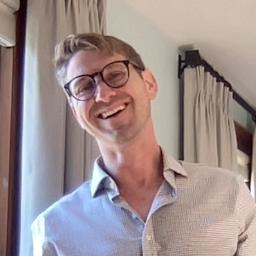
Colin Christman, LCSW
Connecticut
Licensed clinical social worker - family and trauma
Continue with ColinCredentials check
- Credentials
- LCSW
- Licensed in Connecticut
- LCSW, licence 58.013911
- NPI
- 1356197396
- Experience
- 5 years
- Languages
- English
- Location
- Connecticut
These details come from information Colin supplied to BetterHelp. A licence can be checked with the social work board of the state that issued it, and an NPI with the national registry.
AAbout
- Psychodynamic approach
- Internal Family Systems
- Trauma interventions
About Colin
Colin Christman is a licensed clinical social worker (LCSW) licensed in Connecticut with five years of clinical experience. He helps people who are dealing with family stress, trauma and abuse, eating concerns, depression, and major life changes. He brings a background of work in intensive inpatient and residential settings for severe behavioral health problems.
Before his graduate training at the University of Connecticut, he studied political science and applied mathematics at Yale University. Much of his prior work involved intensive care settings for complex issues such as substance use, self-harm, suicidality, eating disorders, and other behavioral problems. That background informs how he understands crisis and risk in everyday life.
He has substantial experience with co-occurring trauma, behavioral health disorders, personality-related difficulties, and mood or anxiety problems. He also has experience working within family contexts alongside partners, parents, children, and siblings when situations call for it. His view of mental health emphasizes missing needs rather than only present symptoms.
Colin describes his approach as psychodynamic and draws on ideas from Alfred Adler and Eric Berne. He also notes training in Internal Family Systems and trauma-specific interventions. In sessions he focuses on identifying unmet emotional needs and how those gaps shape thoughts, feelings, and behavior.
His work is practical and straightforward: discover who you are, clarify what matters, identify what feels wrong, and decide what would feel better. At times he may be joined by Emma, a certified emotional support dog, during interactions.
BHow sessions work
How therapeutic approaches guide online work
Colin identifies psychodynamic therapy as a central approach. That means sessions look for recurring patterns and underlying beliefs that shape behavior and emotion. It helps when people want to understand longstanding relationship patterns or repeated reactions.He also notes training in Internal Family Systems, which treats parts of the self as distinct aspects with different feelings and goals. IFS can help people who feel pulled in many directions or who notice internal conflict. Trauma-specific interventions are used to address the impacts of past or recent traumatic events and to reduce trauma-driven symptoms over time.
Finding the right approach is collaborative. The therapist will work with the client to decide which methods fit their needs, goals, and preferences. That conversation can happen in early sessions and may change as work progresses.
The biography does not list specific online session formats, so confirm current options before booking. In general, online sessions can make it easier to fit therapy into a busy life, allow shorter check-ins when needed, and reduce travel time. For some people, remote meetings also make scheduling around work or caregiving simpler. Ask about the available formats when you arrange your first appointment.
CAreas of focus
Areas of expertise
Primary focus
Additional focus areas
Experience
5+ years
Listed in
Connecticut
Languages
English
DQuestions
Frequently asked questions
What kinds of concerns does he address?
He focuses on family stress, trauma and abuse, eating concerns, depression, and coping with life changes, plus related issues like attachment and body image.
How would you describe his therapeutic style?
He works from a psychodynamic perspective and uses ideas from Adler and Berne to look at underlying beliefs and patterns. He also uses Internal Family Systems and trauma-specific approaches when appropriate.
How much clinical experience does he have?
He has five years of professional experience, including work in inpatient and residential intensive care settings for severe behavioral health issues.
What are his credentials and where is he licensed?
He is a licensed clinical social worker. His credential is CT LCSW, licensed in Connecticut.
Can I work with him if I live outside the US?
He accepts international clients. Sessions are offered in English.
Which session formats are available?
The original biography does not list specific session formats. Confirm current session options before booking to know how sessions are delivered.
How is cost handled?
Cost varies with location and sessions use a subscription that can be canceled at any time.
What do I do to begin?
Select the See online therapy options button, complete a short matching questionnaire, and schedule a first session.
Online talk therapy is not emergency care. If you are in danger, call 911, or call or text 988. More crisis numbers