Licensed clinical social worker recordColorado
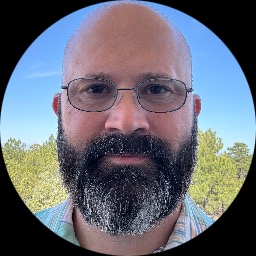
Paul Brunner, LCSW, CSW
Colorado
Licensed Clinical Social Worker - Trauma and Stress
Continue with PaulCredentials check
- Credentials
- LCSW, CSW
- Licensed in North Carolina
- LCSW, licence C007062
- Licensed in Colorado
- LCSW, licence CSW.09926354
- NPI
- 1659517837
- Experience
- 15 years
- Languages
- English
- Location
- Colorado
These details come from information Paul supplied to BetterHelp. A licence can be checked with the social work board of the state that issued it, and an NPI with the national registry.
AAbout
- CBT methods
- DBT skills
- EMDR experience
About Paul
Paul Brunner is a Licensed Clinical Social Worker (LCSW) licensed in Colorado and North Carolina with 15 years of experience. He has worked extensively with military service members and veterans and focuses on stress, anxiety, trauma and abuse, anger, depression, and related concerns.
He began his career in the Army in 1999 as a mental health technician and completed his undergraduate degree while enlisted. He went on to earn a Master of Social Work and met licensing requirements for Colorado and North Carolina. His background includes service as an Army officer and active duty social worker.
Paul uses a range of practical therapy methods. He has training in cognitive behavioral approaches, dialectical behavior strategies, mindfulness-based stress reduction, cognitive processing approaches, and eye movement desensitization and reprocessing. He has provided trauma-focused therapies and substance abuse treatment for veterans.
He has also worked with people affected by domestic violence and sexual abuse. Other areas he addresses include compassion fatigue, sleep problems, self-esteem, career stress, bipolar and ADHD symptoms, and concerns around body image, communication, and control.
In sessions he focuses on concrete skills and steps people can try between meetings. He collaborates with each person to set goals and build coping strategies that fit daily life. To begin, clients use the site's process to connect and schedule an initial meeting.
BHow sessions work
How Paul Brunner blends practical approaches for online work
Paul uses cognitive behavioral therapy to help people notice unhelpful thoughts and try different behaviors. CBT is hands-on and often focuses on clear goals and homework to practice between sessions.He also brings elements of dialectical behavior therapy, which teaches concrete skills for handling intense emotions, improving distress tolerance, and strengthening interpersonal effectiveness. For trauma-related symptoms he has experience with eye movement desensitization and reprocessing, a method aimed at reducing the emotional charge of traumatic memories while processing them in session.
Finding the right approach is part of the work. Paul will collaborate with each person to choose methods that match their goals and daily life. He combines skill training, practical problem-solving, and trauma-focused techniques as needed, and checks in regularly to see what is helping.
The biography does not list specific online session formats, so confirm current options before booking. Online work can make it easier to fit meetings into a busy schedule, allow shorter check-ins between in-person appointments, and reduce travel time. Licensed professionals can adapt CBT, DBT skills practice, and trauma-focused methods to an online setting, focusing on tools that fit a client's routine rather than promising a specific format.
CAreas of focus
Areas of expertise
Primary focus
Also works with
Additional focus areas
Therapeutic approaches
Experience
15+ years
Listed in
North Carolina, Colorado
Languages
English
DQuestions
Frequently asked questions
What kinds of concerns does he address?
He works with stress, anxiety, trauma and abuse, anger, depression, compassion fatigue, LGBT concerns, family-related stress, sleep problems, self-esteem, career issues, bipolar disorder, and ADHD among other areas.
What therapy approaches does he use?
He uses cognitive behavioral therapy, dialectical behavior therapy, EMDR, mindfulness-based techniques, and motivational interviewing to help people build skills and process difficult experiences.
How much clinical experience does he have?
He has 15 years of experience working in mental health, including long-term work with military service members and veterans.
Is he licensed to practice in my state?
He is a Licensed Clinical Social Worker. His credentials include LCSW and CSW, and he holds licensure in Colorado and North Carolina.
Can I work with him if I live outside the United States?
Sessions are offered in English and he does not accept international clients at this time.
What session formats are offered?
Please confirm current session options before booking, since the biography does not list specific session formats.
How are sessions priced?
Cost varies with location. Sessions use a subscription that can be canceled at any time.
How do I get started with a first session?
Select the See online therapy options button, complete a short matching questionnaire, and schedule a first session through the site's process.
Online talk therapy is not emergency care. If you are in danger, call 911, or call or text 988. More crisis numbers