Licensed clinical social worker recordCalifornia
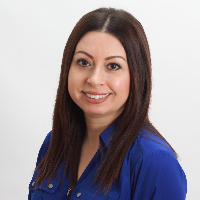
Virginia Ballantyne, LCSW
California
Licensed Clinical Social Worker - Relationships and Trauma
Continue with VirginiaCredentials check
- Credentials
- LCSW
- Licensed in California
- LCSW, licence 98267
- NPI
- 1932509064
- Experience
- 12 years
- Languages
- English
- Location
- California
These details come from information Virginia supplied to BetterHelp. A licence can be checked with the social work board of the state that issued it, and an NPI with the national registry.
AAbout
- Client-centered approach
- CBT and DBT techniques
- LGBTQ affirming care
About Virginia
Virginia Ballantyne is a Licensed Clinical Social Worker (LCSW) licensed in California with 12 years of practice. She works with people who are managing relationship struggles, trauma and abuse, anxiety, depression, addictions, grief, parenting stress, and major life changes. Sessions focus on practical steps and clearer thinking rather than jargon-heavy explanations.
She brings a client-centered approach that centers each person's experience and strengths. That means conversations begin with what the person already knows about their situation and what they want to change. Virginia uses tools from cognitive behavioral therapy and dialectical behavior therapy when those approaches fit the problem at hand.
Her background includes work in nonprofit and county services, which shaped her attention to everyday pressures like housing, work stress, and caregiving demands. She is LGBTQ+ affirming and offers a sex-positive setting for discussing intimacy, identity, and sexual desires. Topics such as adoption and foster care, blended family issues, substance use in the family, and HIV/AIDS are among the specific areas she addresses.
Sessions emphasize skill building for coping and communication. Virginia can help people identify unhelpful thinking patterns, develop emotion-regulation skills, and set manageable goals for change. Her practical style aims to make therapy fit daily life rather than add more complexity.
People interested in starting are guided to a short matching questionnaire and scheduling step. Virginia works with adults who live in California and conducts appointments in ways described on her profile.
BHow sessions work
How therapeutic methods translate to online sessions
Client-centered therapy focuses on listening and supporting a person's own goals. In online sessions this looks like clear, person-led conversations about what matters most and practical steps to try between appointments. Cognitive behavioral therapy (CBT) involves identifying thinking patterns and testing new behaviors; online CBT usually includes brief homework, thought records, and tracking changes over time. Dialectical behavior therapy (DBT) emphasizes emotion regulation, distress tolerance, and interpersonal skills, and those skills can be practiced and reviewed during remote meetings.Choosing the right approach is part of the work together. The therapist will discuss goals, try techniques, and adjust based on what helps. That collaborative process makes it easier to know which methods are useful for relationship strain, trauma responses, anxiety, or substance use concerns.
This profile notes that sessions are offered by phone, video, or live chat. Confirm current session options before booking so they match your schedule and needs. Remote sessions can make it simpler to fit appointments around work, caregiving, or travel, allow shorter check-ins when needed, and avoid commuting time. The therapist will help structure sessions so skills practice and problem-solving fit into everyday life.
CAreas of focus
Areas of expertise
Primary focus
Also works with
Additional focus areas
Therapeutic approaches
Experience
12+ years
Listed in
California
Languages
English
DQuestions
Frequently asked questions
What concerns does she help with?
She works with relationship challenges, trauma and abuse, anxiety, depression, addiction, grief, parenting stress, and related family issues.
What is her therapeutic style?
She uses a client-centered, strengths-based approach and adapts methods like cognitive behavioral therapy and dialectical behavior therapy to fit each person's needs.
How much experience does she have?
She has 12 years of clinical experience, including work in nonprofit and county service settings.
What are her credentials and where is she licensed?
She is a Licensed Clinical Social Worker. Her license is CA LCSW and she practices in California.
Which languages are supported for sessions?
Sessions are offered in English.
Does she work with clients outside the US?
She is not currently accepting international clients and works with people who reside in California.
How are sessions scheduled and what do they cost?
Cost varies with location and sessions use a subscription that can be canceled at any time.
How do I begin working with her?
Start by selecting the See online therapy options button, complete a short matching questionnaire, and schedule a first session.
Online talk therapy is not emergency care. If you are in danger, call 911, or call or text 988. More crisis numbers