Licensed clinical social worker recordNorth Carolina
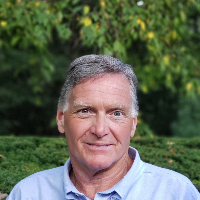
Henry Palmer III (Chip), LCSW
North Carolina
Licensed Clinical Social Worker - Addiction and Stress
Continue with HenryCredentials check
- Credentials
- LCSW
- Licensed in North Carolina
- LCSW, licence C008673
- NPI
- 1164980405
- Experience
- 30 years
- Languages
- English
- Location
- North Carolina
These details come from information Henry supplied to BetterHelp. A licence can be checked with the social work board of the state that issued it, and an NPI with the national registry.
AAbout
About Henry
Henry Palmer III (Chip) is a Licensed Clinical Social Worker (LCSW) licensed in North Carolina with 30 years of experience. He works with people facing stress, anxiety, addiction, grief, depression, relationship and family concerns, trauma and abuse, and related issues.
Chip focuses on practical change. He looks at the choices that led to current problems and the patterns that keep repeating. Sessions are solution-oriented and often include mindfulness, concrete problem-solving, and strategies to manage impulses and cravings.
He brings a long history of working with substance use and co-occurring mental health conditions. His own experience in long-term recovery informs how he talks about relapse, accountability, and rebuilding routines. He explains options plainly and helps people try small, testable changes.
Chip uses Client-Centered methods to listen and understand what matters to each person. He draws on Dialectical Behavior Therapy skills for emotion regulation and distress tolerance. He also uses Existential ideas to address meaning, responsibility, and life transitions.
Sessions tend to be direct and focused on immediate problems as well as longer-term patterns. He often combines coaching-style questions with practical exercises and mindfulness practices. People who want clear steps and accountability may find this approach helpful.
BHow sessions work
How Chip’s Approaches Translate to Online Sessions
Client-Centered Therapy focuses on listening and responding to what matters most to the person. In practice this means sessions that start with the client’s current concerns and priorities, then shape goals from there. Dialectical Behavior Therapy (DBT) teaches specific skills for regulating intense emotions and tolerating distress. It can help with impulsivity, addiction triggers, and strong relationship reactions. Motivational Interviewing uses focused questions to clarify a person’s reasons for change and strengthen motivation to try new behaviors.Choosing the right approach is collaborative. The therapist will discuss options and try practical methods to see what fits the client’s goals and preferences. Adjustments are made as progress is reviewed so the work stays relevant to day-to-day problems.
The original biography does not list specific online formats. Please confirm current session options before booking. Online sessions can make it easier to fit therapy around work, family, and recovery commitments. They can allow for shorter check-ins, reduce travel time, and let people continue care when they are managing medical or legal appointments. Licensed professionals can adapt mindfulness exercises, DBT skills practice, and solution-focused planning to remote sessions so tools learned in sessions can be used in everyday life.
CAreas of focus
Areas of expertise
Primary focus
Also works with
Additional focus areas
Therapeutic approaches
Experience
30+ years
Listed in
North Carolina
Languages
English
DQuestions
Frequently asked questions
What kinds of concerns does he work with?
He works with stress, anxiety, addictions, grief, depression, relationship and family issues, trauma and abuse, and related areas such as impulse control and substance use.
What is his general therapy style?
His style is practical and solution-oriented. He combines listening with direct problem-solving, mindfulness, and behavioral strategies.
How much clinical experience does he have?
He has 30 years of experience working with individuals affected by high-risk decisions, substance use, and co-occurring mental health concerns.
Is he a licensed clinician in my state?
He is a Licensed Clinical Social Worker (LCSW) licensed in North Carolina.
Which languages are supported for sessions?
Sessions are offered in English.
Does he work with international clients?
He does not accept international clients at this time.
How much do sessions cost?
Cost varies with location; sessions use a subscription that can be canceled at any time.
How do I begin working with him?
Choose the See online therapy options button, complete the short matching questionnaire, and schedule a first session.
Online talk therapy is not emergency care. If you are in danger, call 911, or call or text 988. More crisis numbers