Licensed clinical social worker recordTexas
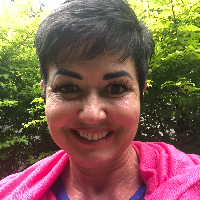
Rebecca Wedel, LCSW
Texas
Licensed Clinical Social Worker - Addiction and Life Changes
Continue with RebeccaCredentials check
- Credentials
- LCSW
- Licensed in Texas
- LCSW, licence 20320
- NPI
- 1609441914
- Experience
- 9 years
- Languages
- English
- Location
- Texas
These details come from information Rebecca supplied to BetterHelp. A licence can be checked with the social work board of the state that issued it, and an NPI with the national registry.
AAbout
- Addictions
- Grief and loss
- Caregiver stress
About Rebecca
Rebecca Wedel is a Licensed Clinical Social Worker (LCSW) practicing in Texas with nine years of clinical experience. She works with people facing addiction, trauma and abuse, grief, depression, anxiety, stress, self-esteem issues, relationship and family concerns, eating and parenting challenges, anger, career changes, and other life transitions.
Rebecca focuses on building a solid rapport before moving into therapeutic work. She listens and helps clients name what they are experiencing. From there she draws on different therapy styles to address the specific problem at hand.
Her background includes individual therapy in medical and surgical settings, inpatient psychiatric care, high-risk pregnancy and miscarriage support, and rehab. She has also worked with caregivers balancing elder care and child care at the same time. Those experiences inform how she approaches practical stresses in daily life.
Rebecca uses a mix of approaches such as cognitive behavioral work, client-centered methods, mindfulness practices, dialectical skills, and acceptance and commitment ideas. She aims to help people notice patterns, try manageable changes, and build coping skills that fit day-to-day life.
Outside of clinical work she practices yoga, gardens, and follows University of Kentucky basketball with her family. She welcomes questions from people who want to learn more about how she works and what to expect.
BHow sessions work
How therapeutic approaches are used in online sessions
Acceptance and Commitment Therapy (ACT) helps people notice unhelpful thoughts and choose actions that align with their values. It can be useful for anxiety, depression, and coping with life changes. Cognitive Behavioral Therapy (CBT) focuses on identifying patterns of thinking and behavior that keep problems going and then trying concrete changes. It is commonly used for anxiety, depression, and stress. Client-Centered Therapy emphasizes listening, reflection, and support so the client can find their own solutions; it is helpful when someone needs space to make sense of difficult feelings.Finding the right approach is a collaborative process. The therapist will talk with the client about goals and preferences and try methods that fit their situation. If an approach isn’t working, adjustments are made together so sessions remain practical and useful.
The biography does not list specific session formats, so confirm current online session options before booking. Online sessions can make it easier to fit therapy into a busy life by saving travel time, allowing shorter check-ins during a work break, or avoiding being on camera when that feels difficult. Licensed professionals can use these methods effectively in virtual work, adapting exercises and skills practice to the online setting.
CAreas of focus
Areas of expertise
Primary focus
Also works with
Additional focus areas
Therapeutic approaches
Experience
9+ years
Listed in
Texas
Languages
English
DQuestions
Frequently asked questions
What concerns does she address?
Rebecca works with addictions, trauma and abuse, grief, depression, anxiety, stress, relationship and family issues, eating concerns, parenting, anger, career shifts, bipolar concerns, and caregiving stress.
What style of therapy does she use?
Her approach blends Acceptance and Commitment Therapy, Client-Centered Therapy, Cognitive Behavioral Therapy, Dialectical Behavior Therapy, and Mindfulness Therapy depending on the issue.
How much clinical experience does she have?
She has nine years of clinical experience working across medical, inpatient psychiatric, high-risk pregnancy, miscarriage support, and rehabilitation settings.
Is she licensed and where does she practice?
She is a Licensed Clinical Social Worker - LCSW - licensed in Texas and practices from that state.
Can I see her if I live outside the United States?
Sessions are offered to international clients; confirm any licensing or regional details that apply to your situation before booking.
What session formats are offered?
Please confirm current session options before booking, as the available formats are not specified in the therapist biography.
How much do sessions cost?
Cost varies with location. Sessions use a subscription that can be canceled at any time.
How do I get started with her?
Select the See online therapy options button, complete a short matching questionnaire, and schedule a first session.
Online talk therapy is not emergency care. If you are in danger, call 911, or call or text 988. More crisis numbers