Licensed clinical social worker recordMichigan
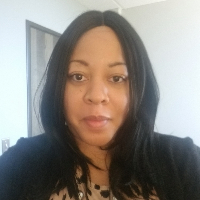
Latasha Shannon, LMSW, LCSW
Michigan
Licensed clinical social worker - mood and addiction support
Continue with LatashaCredentials check
- Credentials
- LMSW, LCSW
- Licensed in Michigan
- LMSW, licence 6801089411
- Licensed in Arizona
- LCSW, licence LCSW-23255
- Licensed in Kentucky
- LCSW, licence LCSW00001258
- NPI
- 1669754271
- Experience
- 19 years
- Languages
- English
- Location
- Michigan
These details come from information Latasha supplied to BetterHelp. A licence can be checked with the social work board of the state that issued it, and an NPI with the national registry.
AAbout
- Anxiety and depression
- Addiction recovery help
- Mood and trauma)
About Latasha
Latasha Shannon is a Licensed Master Social Worker (LMSW) and a Licensed Clinical Social Worker (LCSW) with 19 years of practice experience. She is licensed in Michigan and also holds licensure history noted for other states, and practices with adults who bring concerns such as anxiety, depression, addiction, trauma, bipolar mood patterns, grief, anger, and relationship or intimacy-related issues.
She focuses on straightforward support for everyday pressures. Sessions look at work stress, family tensions, changes at life stages, and coping skills that fit a busy schedule. Conversations move from immediate concerns to practical steps clients can try between meetings.
Her approach uses methods that include client-centered work, cognitive behavioral strategies, dialectical behavior tools, emotionally-focused ideas, and mindfulness techniques. That means sessions combine listening, skill teaching, and experiments in thinking or behavior to reduce distress and improve interaction patterns.
Latasha pays attention to how past hurts and current routines interact. She helps people who struggle with addiction, codependency, impulsivity, dissociation, or complicated grief build clearer routines and safety plans for day-to-day life. She also offers support for aging and geriatric issues and end-of-life related concerns.
Practical matters such as career strain, communication problems, and self-esteem are discussed plainly. Her work is oriented toward usable changes rather than abstract theory. To begin, prospective clients complete a short matching questionnaire and schedule a first session through the site's process.
BHow sessions work
How her approaches translate to online work
Client-Centered Therapy focuses on listening and reflecting. The therapist helps you notice what matters to you and supports decisions you want to try. Cognitive Behavioral Therapy (CBT) teaches concrete exercises to change unhelpful thinking and behavior patterns, which can help with anxiety, depression, and some addiction-related habits. Dialectical Behavior Therapy (DBT) adds skills for emotion regulation, distress tolerance, and clearer communication, useful when emotions feel intense or reactions become impulsive.Choosing the right approach is collaborative. The therapist will talk with each person about goals, preferences, and what has or hasn’t helped before. Together they decide which methods to try and adjust the plan as needed based on what proves useful.
Confirm the current session options before booking since formats are not specified here. Online sessions can make it easier to fit talking therapy into a busy life - for example a shorter check-in during a work break, sessions without travel, or avoiding long waits between appointments. These practical benefits help people keep consistency while working on skills for mood, addiction, grief, and relationship concerns.
CAreas of focus
Areas of expertise
Primary focus
Also works with
Additional focus areas
Therapeutic approaches
Experience
19+ years
Listed in
Michigan, Arizona, Kentucky
Languages
English
DQuestions
Frequently asked questions
What kinds of concerns does she address?
She works with stress, anxiety, addictions, trauma and abuse, bipolar and depression, relationship and intimacy issues, grief, anger, self-esteem, career strain, and coping with life changes.
What style of therapy does she use in sessions?
She uses client-centered listening combined with cognitive behavioral techniques, dialectical behavior tools, emotionally-focused work, and mindfulness strategies to teach skills and alter unhelpful patterns.
How long has she been practicing?
She has 19 years of experience working with adults on a range of mental health and life concerns.
Is she a licensed clinical social worker in Michigan?
Yes. She is listed as an LMSW and LCSW and practices in Michigan. The profile also notes licensure details for other states as provided by the clinician.
Which languages are offered for therapy?
Sessions are offered in English.
Can international clients work with her?
International clients are not currently accepted.
How are sessions scheduled and what do they cost?
Cost varies with location and sessions use a subscription payment that can be canceled at any time.
How do I start a first session?
Use the See online therapy options button, complete the short matching questionnaire, and then schedule a first session through the matching process.
Online talk therapy is not emergency care. If you are in danger, call 911, or call or text 988. More crisis numbers