Licensed clinical social worker recordPennsylvania
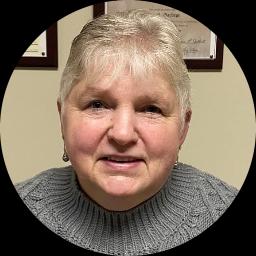
Linda Gardepe, LCSW, LICSW
Pennsylvania
Licensed clinical social worker - relationships and trauma
Continue with LindaCredentials check
- Credentials
- LCSW, LICSW
- Licensed in Pennsylvania
- LCSW, licence CW023629
- Licensed in Massachusetts
- LICSW, licence 127831
- NPI
- 1023721099
- Experience
- 11 years
- Languages
- English
- Location
- Pennsylvania
These details come from information Linda supplied to BetterHelp. A licence can be checked with the social work board of the state that issued it, and an NPI with the national registry.
AAbout
- Stress and anxiety
- Trauma and abuse
- CBT and mindfulness
About Linda
Linda Gardepe is a Licensed Clinical Social Worker, LCSW, licensed in Pennsylvania and also holds an LICSW in Massachusetts with 11 years of professional experience. She focuses on stress, anxiety, relationships, trauma and abuse, self-esteem, depression, LGBT concerns, and career-related difficulties. She also addresses blended family issues, chronic pain and illness, communication problems, domestic violence, eating and food-related issues, and related concerns.
Linda uses straightforward conversation to help people sort through difficult feelings and decisions. She listens for what matters most and asks practical questions to clarify goals. Sessions often include working on coping strategies, communication changes, and small behavior shifts that clients can try between meetings.
Her background includes years of clinical work with people affected by trauma, panic, obsessive thoughts, and postpartum or other mood concerns. She draws on approaches such as client-centered therapy, cognitive behavioral techniques, dialectical behavior skills, EMDR, and mindfulness to address those problems. The method chosen reflects the issue at hand and the person’s preferred pace.
Linda aims to help clients build clearer thinking patterns, regain routine when illness or pain interferes, and repair communication around relationship strain. She mentions motivation and confidence as common targets and works step by step toward practical changes. Many people find this hands-on focus helps make everyday tasks feel more manageable.
To begin, clients complete a short matching questionnaire and schedule an initial session. That first meeting is used to set priorities and decide which approaches to try first.
BHow sessions work
How Linda’s approaches work for online sessions
Client-centered therapy focuses on what matters to the person in the room. The therapist listens without pushing a set plan and helps clients name their priorities and choices. This approach is useful for relationship concerns, life purpose, and building motivation.Cognitive Behavioral Therapy, or CBT, breaks problems into thoughts, feelings, and behaviors. Sessions include practical exercises and short homework tasks to test new ways of thinking and acting. CBT is often used for anxiety, depression, panic, and obsessive thoughts.
Dialectical Behavior Therapy, DBT, emphasizes skills for coping with strong emotions and improving communication. It teaches concrete skills like distress tolerance and emotion regulation that can help with intense mood swings or relationship conflict.
Deciding which approach to use is a collaborative process. The therapist will review your situation, goals, and preferences and recommend one or more methods to try. You and the therapist will check in and adjust the plan as needed rather than committing to a single path up front.
The biography does not list specific session formats, so confirm the current options before booking. Online sessions can make it easier to fit appointments into work or family schedules, reduce travel time, and allow for shorter check-ins when needed. Therapists can use these sessions to teach skills, review practice exercises, and work through trauma-focused techniques in paced steps.
CAreas of focus
Areas of expertise
Primary focus
Also works with
Additional focus areas
Therapeutic approaches
Experience
11+ years
Listed in
Pennsylvania, Massachusetts
Languages
English
DQuestions
Frequently asked questions
What kinds of problems does she address?
She works with stress, anxiety, relationship strain, trauma and abuse, self-esteem struggles, depression, LGBT concerns, and career issues. Additional areas include panic, OCD, postpartum depression, chronic illness, and communication problems.
How would you describe her therapeutic style?
She uses a practical, conversational approach that focuses on goals and small changes. Methods mentioned include client-centered work, cognitive behavioral techniques, dialectical behavior skills, EMDR, and mindfulness.
How much clinical experience does she have?
She has 11 years of professional experience delivering mental health services. That background includes work with trauma, panic, obsessive thoughts, and mood concerns.
Is she licensed to practice in my state?
She is a Licensed Clinical Social Worker (LCSW) in Pennsylvania and holds an LICSW in Massachusetts. Sessions reference those credentialed licenses.
Are sessions offered in other languages or internationally?
Sessions are offered in English. International clients are accepted.
What session formats are available?
The original biography does not list specific session formats. Please confirm current session options before booking.
How are sessions paid for and what do costs look like?
Cost varies with location and sessions use a subscription that can be canceled at any time. Specific fees will depend on the client’s chosen plan and location.
How do I start if I want to try therapy with her?
Begin by selecting the See online therapy options button, completing a short matching questionnaire, and scheduling a first session. The first meeting is used to set priorities and plan next steps.
Online talk therapy is not emergency care. If you are in danger, call 911, or call or text 988. More crisis numbers