Licensed clinical social worker recordArkansas
Credentials check
- Credentials
- LCSW
- Licensed in Arkansas
- LCSW, licence 9188-C
- NPI
- 1417547589
- Experience
- 17 years
- Languages
- English
- Location
- Arkansas
These details come from information Debra supplied to BetterHelp. A licence can be checked with the social work board of the state that issued it, and an NPI with the national registry.
AAbout
- CBT techniques
- Mindfulness practice
- Solution-focused work
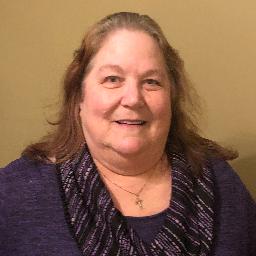
About Debra
Debra Pittman is a Licensed Certified Social Worker (LCSW) licensed in Arkansas with 17 years of clinical experience. She works with adults facing depression, anxiety, trauma and abuse, bipolar and mood concerns, stress, grief, sleep problems, parenting strain, ADHD, and other life changes. She also helps people dealing with anger, self-esteem, and family-related difficulties.
Her style is practical and person-focused. Sessions involve listening, teaching coping skills, and building straightforward steps clients can try between meetings. She uses clear language and helps people set realistic, measurable goals for day-to-day life.
Debra draws on several therapy approaches to match what an individual needs. Cognitive Behavioral Therapy (CBT) is used to notice and change unhelpful thoughts and habits. Client-Centered techniques emphasize respectful listening and collaboration on goals. Mindfulness work helps slow racing thoughts and manage stress in the moment.
She also uses Narrative Therapy to help people reframe their life stories, and Solution-Focused Therapy to create short-term plans for immediate problems. These methods are combined based on what a person brings to sessions and what they want to accomplish.
People who contact her typically get a clear plan at the start. That plan can include practical coping strategies, small behavioral steps, and ways to track progress. Debra aims to keep work grounded in everyday routines so changes can fit into busy lives.
BHow sessions work
How Debra uses practical approaches in online sessions
Client-Centered Therapy focuses on respectful listening and shared decision making. In practice this means the therapist asks about your immediate concerns, listens without judgment, and helps you set clear goals that feel manageable. This approach is useful when someone needs steady support and direction for everyday problems.Cognitive Behavioral Therapy (CBT) helps identify unhelpful thoughts and the behaviors that follow. Online sessions can include short exercises to notice patterns, try new responses, and track small changes between meetings. CBT is often chosen for anxiety, depression, sleep problems, and mood concerns because it emphasizes concrete steps.
Mindfulness Therapy teaches simple attention and breathing practices to reduce reactivity and stress. These techniques can be practiced during sessions and used throughout a daily routine to calm racing thoughts or improve focus.
Choosing the right approach is a collaborative process. The therapist will discuss options, try methods that fit your situation, and adjust the plan based on how you respond. Goals, preferences, and practical constraints guide which combination of techniques is used.
The biography does not list specific session formats, so confirm what is offered before booking. Online work can make it easier to fit sessions into work breaks, reduce travel time, or use shorter check-ins when needed. The focus is on making therapy usable in everyday life rather than on one fixed method.
CAreas of focus
Areas of expertise
Primary focus
Also works with
Additional focus areas
Therapeutic approaches
Experience
17+ years
Listed in
Arkansas
Languages
English
DQuestions
Frequently asked questions
What issues does she help with?
She works with depression, anxiety, trauma and abuse, bipolar and mood concerns, stress, grief, sleep problems, parenting strain, ADHD, and related issues such as anger and self-esteem.
What is her therapeutic approach like?
She uses a mix of Client-Centered, Cognitive Behavioral Therapy, Mindfulness, Narrative, and Solution-Focused techniques. The focus is practical skills, goal setting, and collaborative problem solving.
How long has she been practicing?
She has 17 years of clinical experience working with people facing mood, trauma, and life-change concerns.
Is she a licensed clinician in Arkansas?
Yes. She is a Licensed Certified Social Worker (LCSW) in Arkansas.
Does she offer sessions in other languages or internationally?
Sessions are offered in English. International clients are not accepted at this time.
What session formats are available?
Please confirm current session options before booking, as the biography does not specify which formats are offered.
How do fees and payment work?
Cost varies with location. Sessions use a subscription model that can be canceled at any time.
How do I begin working with her?
Select the See online therapy options button, complete the short matching questionnaire, and schedule your first session.
Online talk therapy is not emergency care. If you are in danger, call 911, or call or text 988. More crisis numbers