Licensed clinical social worker recordNorth Carolina
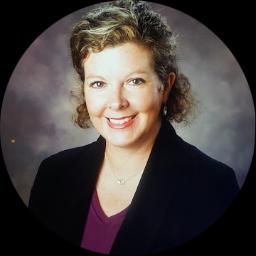
Carrie Ross, LCSW
North Carolina
Licensed Clinical Social Worker - Stress and Anxiety
Continue with CarrieCredentials check
- Credentials
- LCSW
- Licensed in North Carolina
- LCSW, licence C007174
- NPI
- 1730487406
- Experience
- 17 years
- Languages
- English
- Location
- North Carolina
These details come from information Carrie supplied to BetterHelp. A licence can be checked with the social work board of the state that issued it, and an NPI with the national registry.
AAbout
- CBT methods
- Client-centered work
- Trauma focus
About Carrie
Carrie Ross is a Licensed Clinical Social Worker (LCSW) licensed in North Carolina with 17 years of clinical practice. She has 25 years total experience as a social worker. She focuses on stress, anxiety, relationships, grief, anger, and depression.
She helps people develop healthy coping skills and emotional regulation. She uses straightforward work in sessions to practice skills and try out different ways of handling hard moments. Sessions center on practical steps rather than long theory discussions.
Her background includes work across a broad range of concerns such as adoption and foster care, aging and geriatric issues, attachment issues, autism and Asperger Syndrome, caregiver stress, and communication problems. She also has experience with disaster-related coping, disruptive mood dysregulation disorder, eating and food-related challenges, and end-of-life and hospice concerns.
Carrie draws on Client-Centered Therapy to listen and follow the client’s goals. She uses Cognitive Behavioral Therapy to identify patterns of thought and behavior that keep problems active. Motivational Interviewing and Solution-Focused approaches appear when people want short-term changes and clear next steps.
Her practice also includes trauma-focused work for post-traumatic stress and related reactions. In session she works collaboratively to set goals and try practical tools that fit daily life. People can expect down-to-earth guidance aimed at usable skills and clearer decisions.
BHow sessions work
Approaches used in online sessions
Client-Centered Therapy focuses on listening and following the client’s goals. In practice this means the therapist asks open questions, reflects what she hears, and helps people define what they want to change. It is useful when someone needs a steady, collaborative listener and help deciding next steps.Cognitive Behavioral Therapy (CBT) looks at the links between thoughts, feelings, and actions. Sessions include identifying unhelpful thought patterns and practicing small behavior changes to reduce anxiety or depression. CBT is often used for stress, mood concerns, and relationship communication problems.
Finding the right approach is part of the work. The therapist will discuss goals and try strategies together to see what fits best. That collaborative process allows adjustments over time based on what helps in everyday life.
Session formats are not detailed in the biography, so confirm current online session options before booking. Online work can make it easier to fit sessions into a busy week, allow shorter check-ins when needed, and reduce travel time. Licensed professionals can adapt techniques like CBT and client-centered listening to remote conversations, focusing on practical skills that transfer to daily routines.
CAreas of focus
Areas of expertise
Primary focus
Additional focus areas
Therapeutic approaches
Experience
17+ years
Listed in
North Carolina
Languages
English
DQuestions
Frequently asked questions
What concerns does she address?
She works with stress, anxiety, relationship issues, grief, anger, and depression. Additional focus areas include adoption and foster care, aging and geriatric issues, attachment, autism, caregiver stress, and more.
How would you describe her therapeutic style?
She uses client-centered listening and practical techniques. Approaches include Cognitive Behavioral Therapy, Motivational Interviewing, Solution-Focused Therapy, and trauma-focused work.
How much experience does she have?
Carrie has 25 years as a social worker and has been licensed as a clinical social worker for 17 years. That clinical practice informs her current approach.
Where is she licensed and practicing?
She is a Licensed Clinical Social Worker (LCSW) licensed in North Carolina.
What languages are supported?
Sessions are offered in English.
Can people outside the United States work with her?
International clients are not currently accepted.
How are sessions paid for?
Cost varies with location and sessions use a subscription model that can be canceled at any time.
How do I begin the process?
Use the See online therapy options button, complete the short matching questionnaire, and schedule a first session.
Online talk therapy is not emergency care. If you are in danger, call 911, or call or text 988. More crisis numbers