Licensed clinical social worker recordNorth Carolina
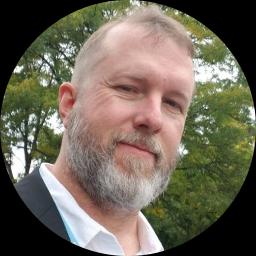
James Wankel, LCSW, LISW-CP
North Carolina
Licensed clinical social worker - stress and addiction
Continue with JamesCredentials check
- Credentials
- LCSW, LISW-CP
- Licensed in North Carolina
- LCSW, licence C019216
- Licensed in South Carolina
- LISW-CP, licence 18468
- NPI
- 1821728593
- Experience
- 5 years
- Languages
- English
- Location
- North Carolina
These details come from information James supplied to BetterHelp. A licence can be checked with the social work board of the state that issued it, and an NPI with the national registry.
AAbout
- Stress and anxiety
- Addictions and recovery
- ADHD and attention
About James
James Wankel is a Licensed Clinical Social Worker (LCSW) licensed in North Carolina with five years of experience. He focuses on stress, anxiety, addictions, trauma and abuse, coaching, and ADHD. He also lists additional focus areas such as abandonment, autism and Asperger syndrome, BDSM and kink, blended family issues, body image, chronic pain and illness, commitment problems, communication problems, dissociation, and substance use concerns.
Wankel uses straightforward, practical approaches in sessions. He listens to each person’s story and works with them to set clear goals. Conversations often include skill practice, thought patterns, and problem-solving for everyday life pressures like work and family demands.
His methods draw on client-centered work, cognitive behavioral techniques, mindfulness, motivational interviewing, and narrative methods. That means sessions can range from listening and reflection to trying specific strategies for thoughts and behavior. Mindfulness practices are sometimes used to help manage stress and attention.
People who come for support often bring complicated histories or overlapping concerns. Wankel pays attention to how past events and current behavior fit together. He can help untangle patterns around addiction, trauma responses, or difficulties with focus and routine.
Sessions aim to be practical and oriented to change. Expect focused conversation, tools you can use between meetings, and regular checks on progress. To begin, readers should use the directory’s matching steps to find out current session options and schedule a first appointment.
BHow sessions work
How James uses structured approaches in online sessions
Client-centered therapy focuses on active listening and reflecting back what matters to the person. It helps people feel heard and clarifies what they want to change or work on.Cognitive behavioral therapy (CBT) looks at links between thoughts, feelings, and actions. It teaches practical techniques to change unhelpful thinking and behavior, useful for anxiety, stress, and some addiction patterns.
Mindfulness therapy brings attention to present-moment experience through simple exercises. It can help with stress management, concentration, and noticing automatic reactions.
Choosing the right approach is part of the work. The therapist will discuss goals, preferences, and what has or hasn’t helped before. Together the person and therapist decide which methods to use and adjust the plan as needed.
Confirm the available session formats before booking, as the profile does not list specific options. Online sessions can make it easier to fit meetings around work, medical appointments, or caregiving responsibilities. They also allow shorter check-ins when a full session isn’t needed and let people use mindfulness or behavioral exercises in the settings where they actually live and work.
CAreas of focus
Areas of expertise
Primary focus
Additional focus areas
Therapeutic approaches
Experience
5+ years
Listed in
North Carolina, South Carolina
Languages
English
DQuestions
Frequently asked questions
What kinds of concerns does he address?
He works with stress, anxiety, addictions, trauma and abuse, coaching needs, and ADHD. Additional areas listed include body image, chronic pain, and communication problems.
How would you describe his therapeutic style?
He combines client-centered conversation with practical techniques from cognitive behavioral therapy, mindfulness, motivational interviewing, and narrative work. Sessions balance listening with concrete strategies to try between meetings.
How much clinical experience does he have?
He has five years of professional experience providing care and support in the areas listed.
What are his credentials and where is he licensed?
He holds the LCSW credential and the LISW-CP credential. He is licensed as an NC LCSW and a SC LISW-CP and practices from North Carolina.
Does he offer sessions in languages other than English?
Sessions are offered in English.
Can international clients work with him?
He is not currently accepting international clients.
How are sessions scheduled and what is the cost?
Cost varies with location and the service uses a subscription that can be canceled at any time. Exact pricing is provided during the sign-up process.
What are the first steps to begin working together?
Use the See online therapy options button, complete the short matching questionnaire, and schedule a first session through the platform.
Online talk therapy is not emergency care. If you are in danger, call 911, or call or text 988. More crisis numbers