Licensed clinical social worker recordNebraska
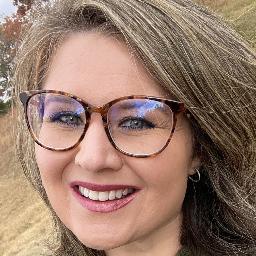
Courtney Mitchell, LCSW, LIMHP
Nebraska
Licensed clinical social worker - trauma and stress
Continue with CourtneyCredentials check
- Credentials
- LCSW, LIMHP
- Licensed in Nebraska
- LIMHP, licence 4149
- Licensed in Arkansas
- LCSW, licence 6304-C
- Licensed in Arizona
- LCSW, licence LCSW-18594
- Licensed in Indiana
- LCSW, licence 34009568A
- Licensed in Oklahoma
- LCSW, licence 7250
- NPI
- 1447547781
- Experience
- 12 years
- Languages
- English
- Location
- Nebraska
These details come from information Courtney supplied to BetterHelp. A licence can be checked with the social work board of the state that issued it, and an NPI with the national registry.
AAbout
- Trauma-informed practice
- Coping skills training
- End-of-life support
About Courtney
Courtney Mitchell is a Licensed Clinical Social Worker (LCSW) and a Licensed Independent Mental Health Practitioner (LIMHP) licensed in Arkansas and Nebraska with 12 years of experience. She focuses on stress, anxiety, trauma and abuse, career questions, coping with life changes, and compassion fatigue. She also lists additional focus areas including aging and geriatric issues, chronic pain and illness, and end-of-life concerns. Courtney speaks English.
Her style is direct and practical. She uses trauma-informed practice and evidence-based therapeutic techniques to help people build coping skills. Sessions typically include straight talk about symptoms, concrete tools for managing stress, and strategies for processing difficult memories.
She has experience addressing concerns often linked to service work and emergency response roles, and lists work related to sexual assault and abuse and traumatic brain injury. She also supports people navigating grief, hospice and end-of-life counseling, and guilt or shame related to past events.
Courtney notes that Christian values and a conservative perspective are part of how she works when clients want that alignment. She emphasizes collaboration - setting goals, choosing techniques, and checking progress together. The subscription model used for sessions can be canceled at any time.
To begin, prospective clients complete a short matching questionnaire and schedule a first session. International clients are not accepted at this time. For current session formats, confirm the available options before booking.
BHow sessions work
Evidence-based approaches and remote care
Trauma-informed practice focuses on recognizing how past harm affects current thoughts, feelings, and behavior. It guides the pace of work so people can build skills before addressing intense memories. Evidence-based therapeutic techniques typically mean using approaches shown to help with symptoms like anxiety, post-traumatic stress, and grief. These techniques often include skill-building, structured exercises, and repeated practice between sessions. A practical skills approach emphasizes learning tools for stress management, emotional regulation, and coping with life changes. That can include breathing and grounding exercises, behavioral changes to reduce anxiety, and steps to manage chronic pain or fatigue. The therapist and client decide together which methods fit the person's needs and goals. Finding the right approach is part of the work. The therapist will collaborate with each person to identify priorities, try techniques, and adjust the plan based on how things are going. That collaborative process helps match methods to personal values and daily responsibilities. The profile does not list specific session formats, so confirm the available options before booking. Online work can make it easier to fit sessions into busy schedules, cut travel time, allow shorter check-ins when needed, and reduce the need to take large blocks of time away from work or caregiving. Licensed professionals can adapt exercises and homework to remote sessions so the work continues between meetings.CAreas of focus
Areas of expertise
Primary focus
Additional focus areas
Experience
12+ years
Listed in
Nebraska, Arkansas, Arizona, Indiana, Oklahoma
Languages
English
DQuestions
Frequently asked questions
What concerns does she address?
She works with stress, anxiety, trauma and abuse, career transitions, coping with life changes, and compassion fatigue. Additional focus areas include chronic pain, aging issues, grief, and post-traumatic stress.
What is her therapeutic approach and style?
She practices trauma-informed care and uses evidence-based therapeutic techniques. Sessions emphasize practical coping skills, processing difficult emotions, and collaborative goal-setting.
How much clinical experience does she have?
She has 12 years of experience working with people facing trauma, stress, and chronic health concerns.
Which credentials and states of licensure does she hold?
She is a Licensed Clinical Social Worker (LCSW) and a Licensed Independent Mental Health Practitioner (LIMHP). Her licensure is listed as AR LCSW and NE LIMHP.
In what languages does she work and can she see clients outside the US?
Sessions are offered in English. She is not currently accepting international clients.
What session formats are offered?
The original profile does not specify session formats. Please confirm current session options before booking a session.
How does pricing work for sessions?
Cost varies with location and sessions use a subscription model that can be canceled at any time.
How do I get started with therapy?
Select the See online therapy options button, complete a short matching questionnaire, and schedule a first session.
Online talk therapy is not emergency care. If you are in danger, call 911, or call or text 988. More crisis numbers