Licensed clinical social worker recordGeorgia
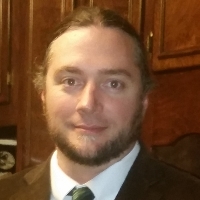
Jason Byram, LCSW, CSW
Georgia
Licensed Clinical Social Worker - mood and stress work
Continue with JasonCredentials check
- Credentials
- LCSW, CSW
- Licensed in Georgia
- LCSW, licence CSW006573
- NPI
- 1386287928
- Experience
- 7 years
- Languages
- English
- Location
- Georgia
These details come from information Jason supplied to BetterHelp. A licence can be checked with the social work board of the state that issued it, and an NPI with the national registry.
AAbout
- Anxiety and depression
- CBT and DBT tools
- Mindfulness practices
About Jason
Jason Byram is a Licensed Clinical Social Worker (LCSW) in Georgia with seven years of clinical experience. He helps people facing anxiety, depression, stress, mood disorders including bipolar, and coping with life changes. He also works with concerns such as addictions, anger, grief, relationship and family issues, and intimacy-related problems.
Byram uses straightforward, practical methods drawn from client-centered work and cognitive behavioral approaches. Sessions often focus on identifying patterns, building coping skills, and setting small, achievable goals. He brings motivational interviewing and solution-focused techniques when people need help making changes or deciding on next steps.
He blends elements of Dialectical Behavior Therapy and mindfulness practices into sessions. That can include guided imagery, body scans, progressive muscle relaxation, and simple meditation exercises to aid emotion regulation and reduce stress. These tools are presented in clear, step-by-step ways so they can be used between meetings.
Jason earned a Master’s degree in Clinical Social Work from the University of Georgia in 2014 and lists both LCSW and CSW credentials. His background includes work in substance use treatment, crisis response, corrections, adolescent group therapy, and developmental disability crisis care. These roles inform a pragmatic approach to problem-solving and safety planning.
People who prefer direct, skills-based support about everyday pressures often do well with his style. He aims to help clients develop practical strategies for mood management, impulse control, and rebuilding routine after loss or upheaval. To start, visitors are invited to review online therapy options and complete a brief matching questionnaire before scheduling.
BHow sessions work
How clinical approaches are used in online sessions
Client-Centered Therapy focuses on listening and helping people set the topics they want to work on. It supports talking through concerns like low self-esteem, relationship stress, and adjusting to life changes. Cognitive Behavioral Therapy (CBT) breaks problems into thoughts, feelings, and actions and teaches concrete skills to change unhelpful patterns. CBT can be useful for anxiety, depression, mood disorders, and impulse control. Dialectical Behavior Therapy (DBT) offers specific emotion regulation and distress tolerance skills. These tools are often used when strong emotions, self-harm urges, or impulsivity are a concern.Finding the right approach is part of the work. The therapist will collaborate with each person to pick methods that fit their goals, preferences, and daily routines. That process can include trying an exercise, reviewing how it worked, and adjusting techniques based on what helps.
Session formats are not specified in the provided biography, so please confirm current options before booking. Online work can make it easier to fit meetings into a busy week, allow shorter focused check-ins when needed, and reduce travel time. It also lets people practice behavioral skills in their regular environment and bring examples from daily life into the conversation. Licensed professionals can adapt CBT, DBT, and mindfulness exercises to suit short or longer sessions depending on what the client and therapist decide.
CAreas of focus
Areas of expertise
Primary focus
Also works with
Additional focus areas
Therapeutic approaches
Experience
7+ years
Listed in
Georgia
Languages
English
DQuestions
Frequently asked questions
What kinds of problems does he address?
He helps people with anxiety, depression, bipolar disorder, stress, addictions, trauma, grief, relationship and family concerns, anger, and career-related stress.
How would you describe his therapeutic style?
His style is practical and skills-focused, using client-centered conversation, cognitive behavioral techniques, motivational interviewing, and elements of DBT and mindfulness.
How much clinical experience does he have?
He has seven years of clinical experience working in settings such as substance use treatment, crisis response, corrections, and adolescent group therapy.
What are his credentials and where is he licensed?
He holds LCSW and CSW credentials and is licensed in Georgia.
Does he provide sessions in other languages or to international clients?
Sessions are offered in English and he is not currently accepting international clients.
What session formats are offered?
Please confirm current session options before booking, as the biography does not list specific formats.
How are fees handled?
Cost varies with location and sessions are billed through a subscription that can be canceled at any time.
How do I begin working with him?
Select the See online therapy options button, complete a short matching questionnaire, and schedule a first session.
Online talk therapy is not emergency care. If you are in danger, call 911, or call or text 988. More crisis numbers