Licensed clinical social worker recordNorth Carolina
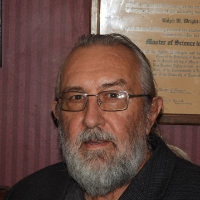
Ralph Murphy, LCSW
North Carolina
Licensed clinical social worker - Stress and trauma
Continue with RalphCredentials check
- Credentials
- LCSW
- Licensed in North Carolina
- LCSW, licence C005498
- NPI
- 1932230471
- Experience
- 30 years
- Languages
- English
- Location
- North Carolina
These details come from information Ralph supplied to BetterHelp. A licence can be checked with the social work board of the state that issued it, and an NPI with the national registry.
AAbout
- Client-centered approach
- Cognitive Behavioral Therapy
- Motivational interviewing
About Ralph
Ralph Murphy is a Licensed Clinical Social Worker (LCSW) licensed in North Carolina with 30 years of clinical practice. He works with people who are dealing with stress, anxiety, depression, trauma and abuse, parenting challenges, addictions, relationship problems, grief, anger, and LGBTQ concerns. He also lists coaching, family issues, adoption and foster care, autism, men's issues, and self-harm among his focus areas.
Ralph trained with a Master of Divinity and a Master of Social Work. He describes his role as a listener who helps people notice strengths and put them to use. The first sessions focus on what matters most to the individual and on setting practical, achievable goals.
His approach draws on client-centered work and structured methods like cognitive behavioral therapy and solution-focused therapy. He also uses existential ideas and motivational interviewing to help people clarify values and make changes. Sessions tend to balance talking through feelings with concrete steps and small experiments between meetings.
Ralph has long experience working with children, adolescents, and families in varied settings, and has worked in clinical family work for decades. That background informs how he talks about parenting, family conflict, and adoption or foster care concerns.
He asks people to bring the problems they want to solve and the life goals they care about. Conversations move at a steady, practical pace. Progress is usually tracked with small, specific tasks and regular check-ins.
BHow sessions work
Therapeutic approaches and how they fit online
Client-Centered Therapy puts the person's perspective first. The therapist focuses on listening, reflecting, and helping the person identify what matters. This approach is useful for issues where feeling understood and naming priorities is an early step, such as grief, relationship difficulties, or parenting strain.Cognitive Behavioral Therapy (CBT) focuses on identifying unhelpful thoughts and testing small behavioral changes. It is practical and action-oriented, often used for anxiety, depression, and some trauma-related symptoms. Sessions include skill teaching and homework assignments to try between meetings.
Motivational Interviewing concentrates on building motivation for change. It is helpful when someone is unsure about making a change, for example with substance use or lifestyle goals. The therapist uses open questions and reflective listening to support the person's own reasons for change.
Finding the right approach is part of the work. The therapist will help the person decide which methods to use based on goals, preferences, and what shows progress. That decision is collaborative and can shift over time as needs change.
Confirm the therapist's current session options before booking, since the biography does not list specific formats. Online work can make scheduling easier and reduce travel time. It also allows shorter check-ins when needed and can fit sessions into a workday or caregiving routine without requiring a commute.
CAreas of focus
Areas of expertise
Primary focus
Also works with
Additional focus areas
Therapeutic approaches
Experience
30+ years
Listed in
North Carolina
Languages
English
DQuestions
Frequently asked questions
What concerns does he work with?
He works with stress, anxiety, depression, trauma and abuse, parenting, addictions, relationship problems, grief, anger, and LGBT concerns. Additional focuses include adoption and foster care, autism, drug and alcohol addiction, family problems, guilt and shame, men's issues, post-traumatic stress, and self-harm.
What is his therapeutic style?
He uses client-centered methods alongside Cognitive Behavioral Therapy, Solution-Focused Therapy, Motivational Interviewing, and existential approaches. Sessions mix listening with practical steps and goal-setting.
How much clinical experience does he have?
He has 30 years of experience in clinical settings, including long-term work in family-focused practice. That history shapes how he approaches parenting and family-related concerns.
Is he a licensed clinician in my state?
He is a Licensed Clinical Social Worker, LCSW, licensed in North Carolina. The profile lists NC LCSW as his credential and licensing detail.
In which language are sessions offered?
Sessions are offered in English.
Does he work with international clients?
He is not currently accepting international clients.
How are sessions priced?
Cost varies with location; sessions use a subscription that can be canceled at any time. Specific pricing details are available during the signup process.
How do I begin a first session?
Select the See online therapy options button, complete a short matching questionnaire, and schedule a first session. That process will guide you to book the initial appointment.
Online talk therapy is not emergency care. If you are in danger, call 911, or call or text 988. More crisis numbers